

Must see
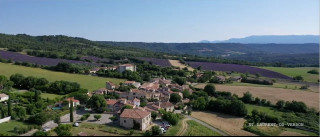
Saint-Laurent-du-Verdon
Saint-Laurent-du-Verdon
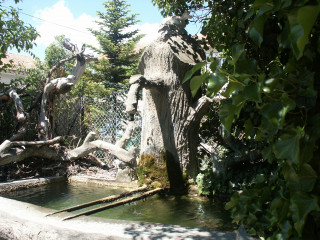
Oraison
This fountain is part of the "1937 group". This name comes from the fact that 4 fountains were built at virtually the same time on the outskirts of ...
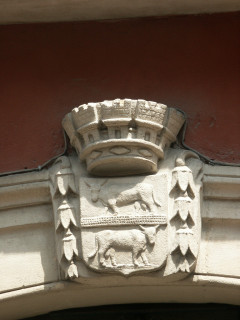
Oraison
Oraison
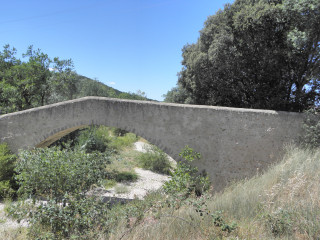
The small stone bridge over the Rancure torrent, built in 1698, served as an aqueduct to bring drinking water from the Boucharde spring to the village...
Puimichel
Puimichel
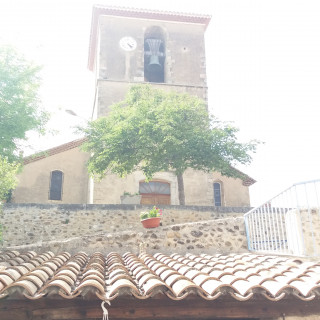
Notre-Dame-du-Serre church probably dates back to 1547.
Puimichel
Puimichel
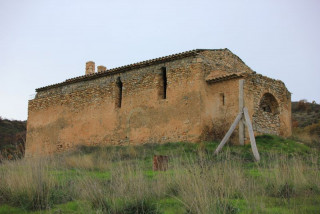
The Saint-Firmin chapel near Bastide Neuve is in ruins.
Brunet
Brunet
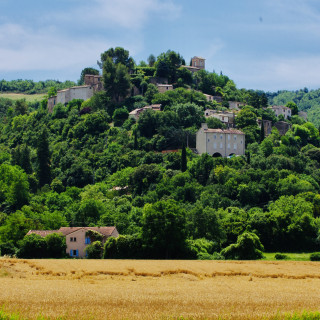
Situated on the left bank of the Asse river, at an altitude of 425 m, this perched village is built on the northern slope of the Valensole plateau. ...
La Brillanne
La Brillanne
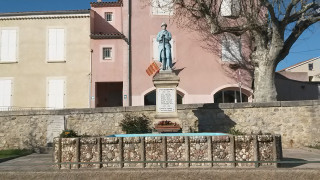
The stele was erected in memory of two maquisards who were killed.
Gréoux-les-Bains
Gréoux-les-Bains
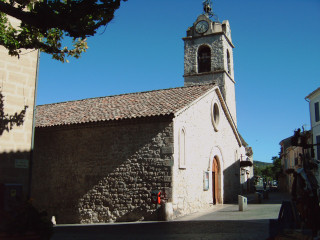
From Easter to November 1st, mass at 9:00 am. All year round at 11:00 am.
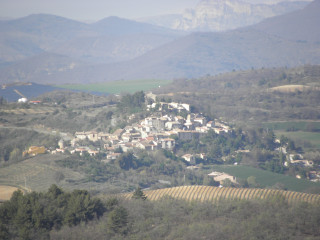
Puimichel
Puimichel
Crowned at its summit by the Chapelle Saint Elzéar, this hilltop village built in staircases offers a panoramic view of the surrounding valley. An ...
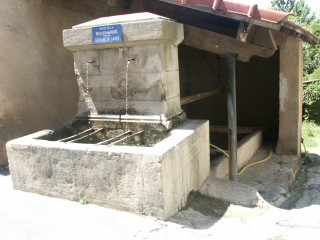
Oraison
Oraison
This is one of the city's oldest fountains.
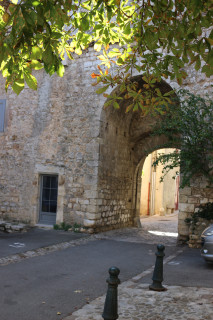
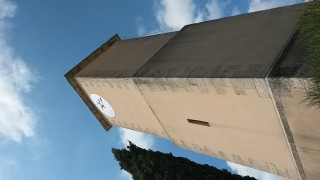
Villeneuve
Villeneuve
The picturesque Tour de l'Horloge (Clock Tower) is a kind of belfry topped by a bell tower.
La Brillanne
La Brillanne
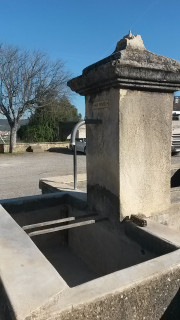
The Aires washhouse is one of the standing washhouses where women used a rubber apron to keep their skirts from getting wet.
Manosque
Manosque
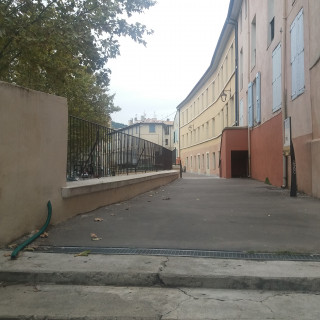
This promenade is located on the old "chemin de ronde" ("bàrri" means rampart in Provencal).
Oraison
Oraison
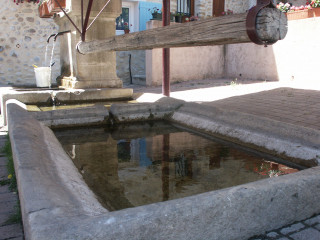
This is a classic washhouse with two rectangular basins topped by a roof.
It was designed to accommodate 4 to 6 washerwomen.
Manosque
Manosque
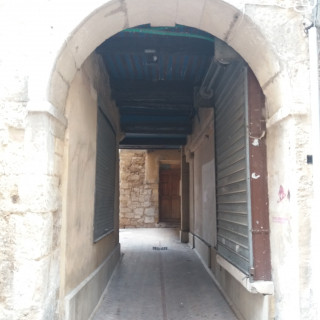
This passage allowed traffic to flow from rue grande (n°15) to boulevard Elémir Bourges.
Oraison
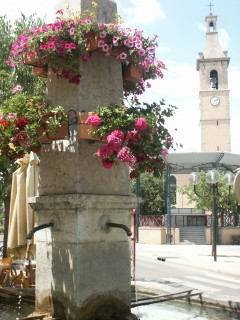
The obelisk fountain is located at the start of rue Elie Louis Julien, formerly known as Grande Rue.